Professional Roofer for Quality Roof Solutions
Engaging a professional roofer represents a smart choice for property owners seeking high-quality roof services. These experts not only ensure adherence with regional construction regulations but also provide access to high-grade roofing materials. Their capacity to identify and address possible problems early can preserve significant time and money. Comprehending the various roofing options available and their benefits can further enhance this process. What considerations should property owners consider when choosing the appropriate contractor for their needs?
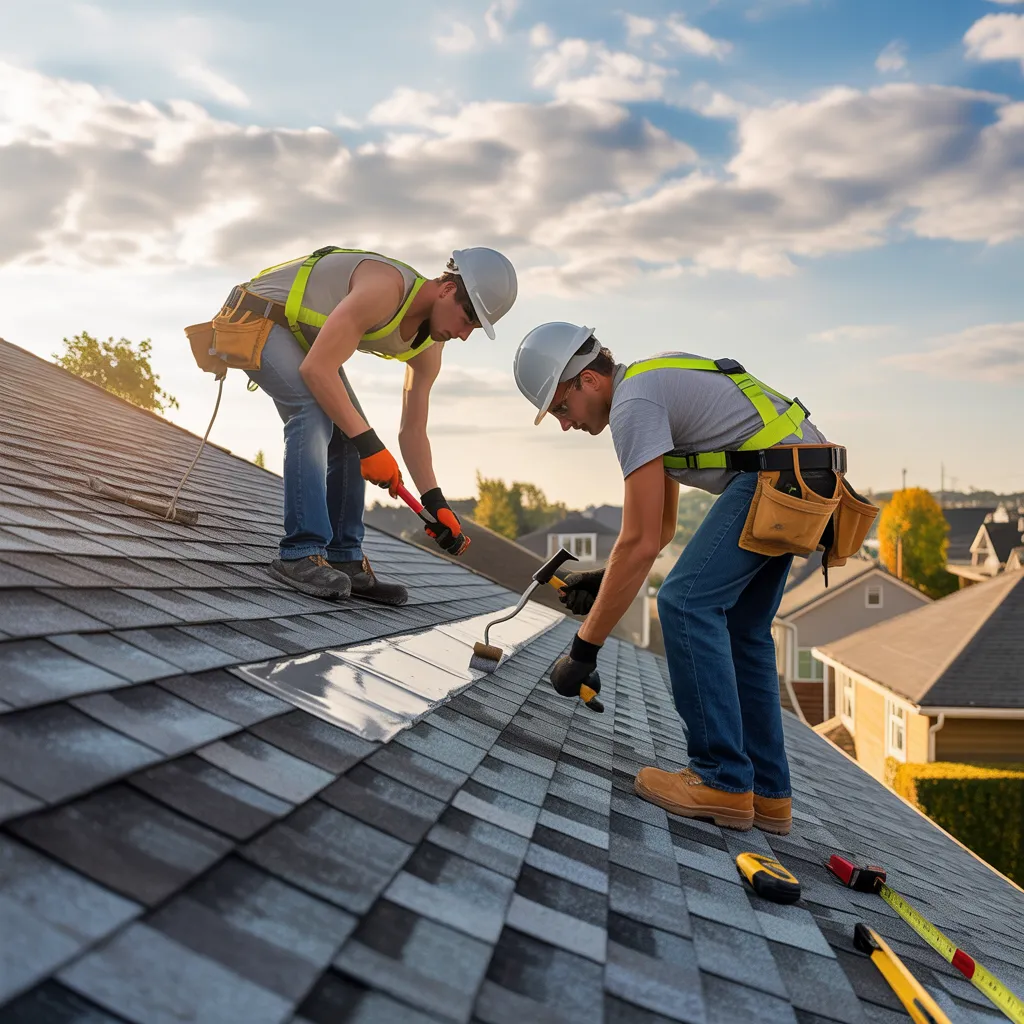
Why You Should Engage a Expert Roofer
When assessing a roofing project, enlisting a professional roofer guarantees both quality and safety. Experienced roofing professionals have the necessary training and expertise to manage different roofing problems effectively. Their experience allows them to identify potential issues before they escalate, guaranteeing lasting performance. Furthermore, they are knowledgeable in local building codes and compliance requirements, which reduces the risk of legal complications.
Moreover, certified roof technicians have procurement of high-quality materials that may not be available to the standard property owner, elevating the overall effectiveness of the roof mechanism. They also present assurances that can offer tranquility, preserving the resources dedicated to the roofing project. Importantly, safety is paramount; professional roofers are supplied with the suitable apparatus and protective attire to perform their work without endangering injury. To conclude, hiring a professional roofer is a judicious decision for achieving a reliable and safe roofing solution.
A Manual to Preferred Roofing Solutions and Their Benefits
Several roofing materials are available, each presenting distinctive benefits tailored to different desires and requirements. Asphalt shingles are within the most favored due read the information to their low cost, straightforward installation, and selection of colors. Metal roofing, noted for its resilience and ability to resist extreme weather, also bounces back heat, rendering it energy-efficient. Slate tiles present a classic look and exceptional lifespan, while clay tiles supply superior insulation and can tolerate harsh climates.
For individuals pursuing eco-friendly alternatives, rubber roofing is rising in popularity; it reflects the appearance of costly materials and is produced from recycled products. Wood shakes present a natural, rustic appearance but require greater maintenance. Finally, synthetic roofing materials unite the best features of traditional options, ensuring adaptability and strength. Each material provides unique benefits, making it essential for homeowners to assess their priorities and speak with professionals when selecting the best roofing solution.
Typical Roofing Concerns and the Way Professionals Tackle Them
Common roof troubles, such as leaks and water damage, can produce significant structural problems if not corrected promptly. In addition, compromised or missing shingles compromise the roof's integrity and expose the home to increased threats. Professionals employ various techniques to pinpoint and address these issues, ensuring long-lasting protection and confidence for homeowners.
Leaks and Water Damage
Leaks and water damage create significant challenges for homeowners, often resulting in costly repairs and structural concerns. These issues typically stem from a variety of sources, including aging materials, improper installation, or even severe weather conditions. Water infiltration can compromise insulation, promote mold growth, and weaken structural integrity. Professional roofers utilize advanced techniques to detect and resolve leaks effectively. They perform thorough inspections to pinpoint vulnerable areas, employing tools such as moisture meters and infrared cameras. Once identified, they apply targeted solutions, which may include sealing, flashing replacement, or, in severe cases, partial roof replacement. By addressing leaks promptly, professionals help homeowners mitigate damage, ensuring long-term protection and peace of mind.
Missing or Deteriorated Shingles
Roofing issues often manifest through missing or damaged shingles, which can undermine a home's protective barrier. These shortcomings expose the underlying structure to weather conditions, potentially leading to leaks and further deterioration. Professionals routinely conduct thorough inspections to establish the scope of injury. They may recommend replacing individual shingles or entire sections, according to the severity. Applying high-quality materials, experienced roofers guarantee proper installation to circumvent future issues. Additionally, they survey the roof's overall standing to address any secondary issues, such as inadequate circulation or structural weaknesses. Scheduled maintenance and quick repairs are indispensable for preserving a roof's integrity, ultimately safeguarding the home against water seepage and other natural threats.
Picking the Finest Roof Choice for Your Property
When choosing the optimal roof choice for a home, it is essential to assess individual roofing needs first. Understanding the variety of roofing materials on offer and their individual prices can significantly impact the decision-making process. Financial factors also are important in guaranteeing that the chosen solution meets both visual and functional requirements.
Examining Your Roofing Requirements
How does one decide on the most suitable roofing solution for their home? Analyzing roofing needs involves examining the home's structure and local climate. Homeowners should evaluate factors such as energy savings, durability, and maintenance requirements. A thorough assessment of the existing roof can reveal potential issues that may influence the choice of materials. Additionally, budget constraints have great importance; understanding the long-term costs versus initial investment is necessary. Consulting with a professional roofer can give valuable insights and recommendations customized to specific needs. Ultimately, the decision should combine aesthetic preferences with functional requirements, ensuring the selected roofing solution boosts the home’s value while providing lasting protection.
Material Alternatives Introduction
Choosing appropriate roof selections constitutes a fundamental phase in the entire roofing process. Homeowners need to weigh different possibilities, each featuring distinct advantages and drawbacks. Asphalt shingles are preferred for their economical nature and convenient placement, while metal roofing guarantees resilience and thermal performance. Clay and concrete tiles supply a stylish, long-lasting solution, notably fitting for warm climates. Wood shakes exhibit a earthy character but require more maintenance. Synthetic materials, like rubber or plastic, follow established patterns while ensuring improved longevity. Furthermore, environmental considerations may motivate some homeowners to pursue environmentally responsible alternatives including green roofs or recycled materials. At the end of the day, determining the finest roofing material copyrights on the home's design, climate, and personal preferences.
Budget Factors Detailed
Estimating the budget for a roofing project often requires careful consideration of several factors to guarantee homeowners select the most matching option for their needs. First, the choice of material strongly impacts both upfront costs and long-term durability. Asphalt shingles may offer a budget-friendly option, while metal or tile choices might provide longer lifespan but at a higher price. Additionally, labor fees can vary depending on the roofing contractor’s expertise and the complexity of the job. Homeowners should also account for potential hidden costs, such as structural repairs or permits. Finally, factoring in long-term savings through energy efficiency and warranties will help make an informed decision that balances immediate spending with future gains.
Anticipated Outcomes From the Roofing Procedure
Understanding the roof installation procedure can greatly enhance a homeowner's experience during a roofing project. Initially, homeowners should expect a thorough examination of the current roofing to determine its state and the necessary repairs or replacements. Following the assessment, a complete proposal will detail the extent of the project, materials, and timeline.
After the project commences, homeowners can prepare for an efficient organization with safety measures in place to safeguard their property. The roofing crew will clear out old materials, inspect the underlying structure, and set up new roofing systems according to industry standards. Communication is essential, as homeowners should expect regular updates on advancement and any unforeseen complications.
To finish, the work completes with a thorough inspection to verify quality and adherence to specifications. Homeowners should also be given maintenance advice to prolong the life of their new roof, reinforcing the necessity of learning the entire roofing process.
The Relevance of Routine Roof Assessments
Although many homeowners may overlook roof maintenance, routine inspections are vital for preserving the structural soundness and durability of a roof. These inspections help identify minor issues before they escalate into expensive damage. By catching problems such as leaks, damaged tiles, or moss growth early, homeowners can reduce both time and money.
In addition, routine inspections guarantee that the roof complies with local building codes and regulations, which can avoid future issues during property transactions. Seasonal changes can damage roofing materials, making it essential to observe wear and tear.
Also, a well-maintained roof boosts the aesthetic quality of a home and increases its resale worth. Conducting regular checks not only supports the structural stability of the property but also delivers peace of mind for property owners. Ultimately, stressing roof maintenance checks is a preventative measure to home care that generates benefits in the long run.
Finding and Recruiting a Seasoned Roofer in Your Area
Once realizing the necessity of routine roof check-ups, homeowners commonly contact seasoned professionals for servicing and fixes. Sourcing a trustworthy roofing contractor in their area can be difficult; however, certain vital strategies can make easier the process.
To begin, property owners need to ask for recommendations from loved ones and acquaintances who have recently had roof repairs done. Online reviews and ratings on sites like Google and Yelp can also offer valuable insights into a roofer's track record.
After a list of potential candidates is compiled, property owners should confirm qualifications, encompassing insurance and licenses. Getting multiple quotes permits them to compare prices and services offered.
Also, asking regarding protection and coverage options can help ensure enduring results. By adhering to these procedures, property owners can securely engage a skilled roofing contractor who meets their specific requirements, ensuring their roof systems remain in optimal condition for many years.
Standard Questions Posed
What Requirements Matter Most When Selecting a Professional Roofer?
In finding a competent roofing contractor, prioritize credentials such as adequate licensing, insurance coverage, extensive experience, outstanding client reviews, and adherence to industry standards. These factors guarantee solid craftsmanship and protection against potential liabilities.
What Timeframe Does a Regular Roofing Project Need to Finish?
A typical roofing project generally takes between one to three days, based on the size and complexity of the roof, weather conditions, and the crew's productivity. More complex or expansive roofs may need additional time.
Do Roofing Warranties Transfer if I Sell My Home?
Roofing warranties are often transferable, but specific conditions apply. Property owners should review the guarantee paperwork for information on transferability, as some manufacturers require notification and may have time limits for the transfer procedure.
What May I Do if I Suspect Roofing Deterioration After a Storm?
If roof damage is suspected after a storm, the homeowner should inspect the roof for apparent problems, record all damage, and consult a professional for an evaluation to determine necessary repairs and prevent further problems.
How Can I Preserve My Roof Between Professional Evaluations?
Routinely inspect the roof for debris, examine for compromised shingles, and empty gutters to prevent water buildup. Resolve small issues at once and remain alert for signs of leaks or wear between professional inspections.